I once learned some tai-chi and knife-fighting from a student of Dan Inosanto, who Bruce Lee personally taught. Also picked up some sword tai-chi at school. Elegant, beautiful, and reflected deadly moves. I ended up getting a practice sword from San Francisco’s Chinatown which I kept in my Philadelphia office to scare off mice. No worries, I am a pure amateur at fighting.
In addition to the sword, I had a quick opener and a butterfly or balisong knife – one with the Javanese wavy kris blade from my far side of the world. They are truly elegant weapons from a more civilized age.
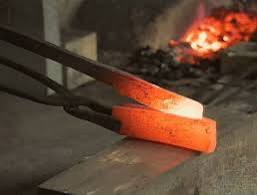
The creation of a samurai sword or katana is especially fascinating. A labor of love and art form requiring mastery. The steel used takes three days and nights to smelt, using ancient techniques and high temperatures, resulting in 2 tons of usable product from roughly 25 tons of raw material. The process yields high carbon steel to ensure a hard, sharp edge and low carbon for a tough, flexible core. After removing impurities through a grueling process to ensure blade strength, the two types of steel are combined to form the body. Final steps to insulate, curve , polish, and outfit the blade, the arduous process involving more than a dozen men over six months is complete.
Like whiskey, the forging of a katana has lessons for human development – quality of raw material, pressure, time, refinement, etc. Two questions – Does one even want to go through this process? And if so, which stage is applicable?
The benefits of being a katana-like person are the potential to be effective, powerful. But at high cost. I performed this exercise with my students – chart out the life of a potential President from birth. Most times, the result would be a straight line to the top. I then asked if this reflected reality and they realized that the path is usually filled with obstacles and challenges – part of the process.
 Songs of Pain and Hope